NextGen Academy
Diving into self-organization and shared authority
Sociocracy, Sociocracy 3.0, Organic Organization, Beta Codex, Holacracy and the agile structures behind them: 8 masterclasses with 7 international experts, 100% online — 15 hours over 8 weeks to choose the governance suited to your organization.
- Assessment method
- Exercise report
- Prerequisites
- No prerequisites
- Target audience
- Managers and team members (both hierarchical and cross-functional relationships)
Training objectives
- Define shared governance
- Tell the main governance models apart
- Choose the right one for your organization
Global pedagogical approaches
Modalities
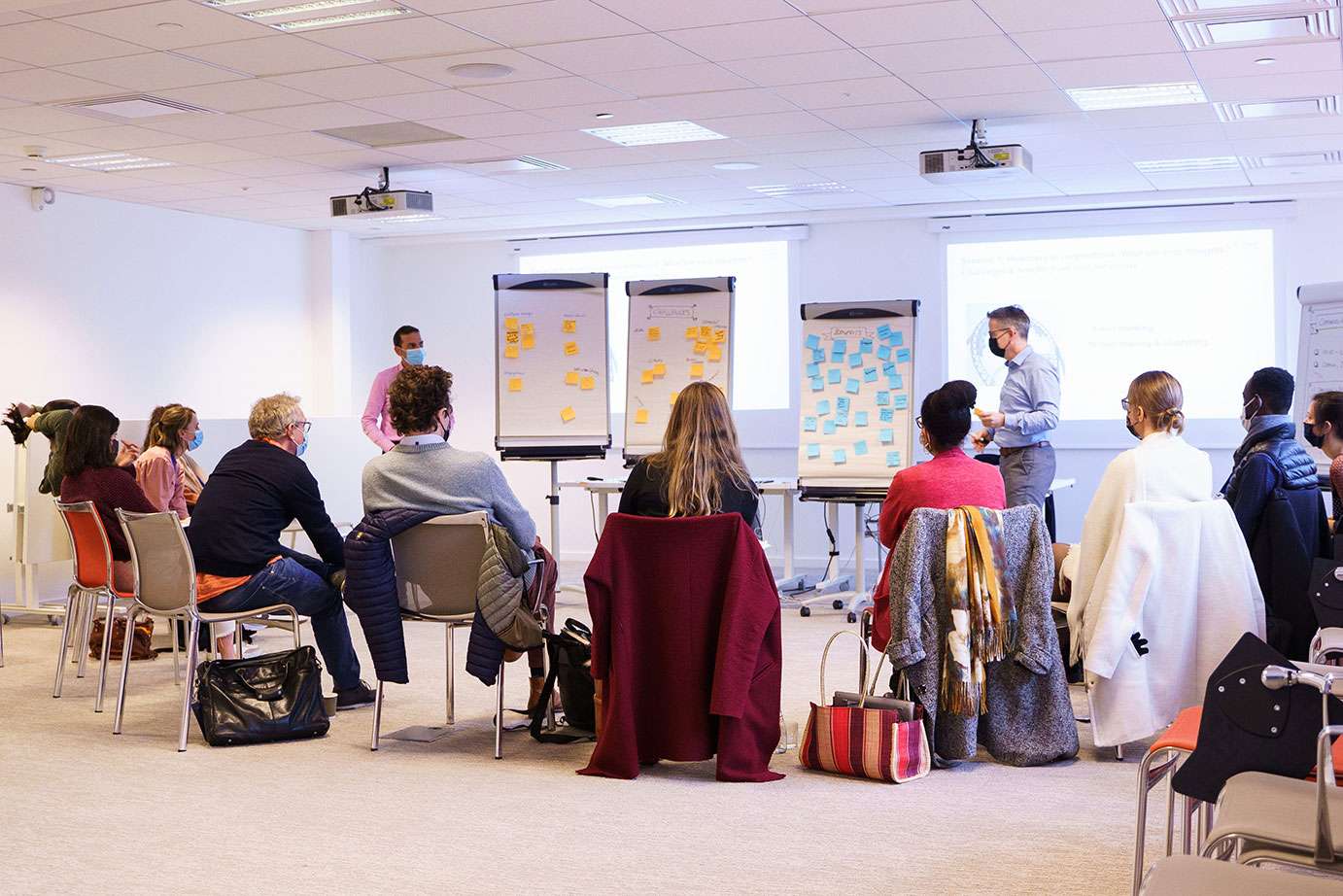
- 15 hours over 8 weeks, mixing inspiration sessions and practical workshops
- For leaders who want to grow their teams through empowerment, for lasting performance.
- 8 masterclasses, 7 experts
The 8 modules
- Module 01
Self-organization and shared authority -The spirit
The revolutionary book of Frederic Laloux, “Reinventing Organizations”, described the foundation of Teal companies: self-organization, wholeness and evolutionary purpose.
To evolve towards Teal and New Work, there are cultural prerequisites that must be established and cultivated in your organization such as transparency, trust and autonomy. Admittedly, this all sounds abstract at first. We will talk about some organizational theory and discuss how you can assess the level of development in your own organization in order to find out which method, patterns and tools could fit the transformation steps you would like to initiate.
Led by
Susanne AebischerMaster in Organizational Development, Coaching and Supervision - Co-founder at The NextGen Enterprise Summit and CEO at OEIA (Organizational development & Innovations architecture)
- Module 02
Introduction to Sociocracy
Sociocracy, the wider umbrella of the Sociocratic Circle Method first implemented in the 1980s, has grown in popularity over the years and in particular in the last 3-5 years. It has served as the basis for many other systems and can be combined with a multitude of other frameworks.
Its basic design principles help organizations straddle collective leadership in circles and individual empowerment in roles. Teams can increase their listening and quality of conversation with rounds and consent decision-making and move with more clarity, intentionality, and flexibility in their experimentation and learning.
- Module 03
Sociocracy 3.0 - A Social Technology for effective, resilient and human organizations
Sociocracy 3.0 – or S3 in short – is a collection of 70+ practical techniques and patterns around self-organisation, participatory decision-making, adaptive organisational structures and continuous learning. These patterns and techniques are supported and enforced by a set of strong, guiding principles that help you to develop a truly agile culture. Get introduced to S3 in this session, so you know whether and how to start applying it in your teams or organisation. You’ll learn about the principles and take away some of the principal techniques to get started with.
Led by
Jef CumpsAuthor of "Sociocracy 3.0 - The novel", co-founder of iLean
- Module 04
Introduction to Organic Organization (O2)
Organic Organizations (O2) is a social technology that helps organizations become more adaptive, self-organized and purpose-centered. It is composed of a set of essential rules, its “Meta-Agreements”, plus a library of constantly evolving organizational patterns. In this masterclass we will present an overview of O2 and offer a short simulation to experience one of the iterations for processing tensions. By the end of the masterclass, participants will be provided with clear pathways on how to further an independent exploration and study of O2, using our online resources and materials.

Led by
Tanya StergiouPartner at Target Teal
About Tanya
Tanya is an organizational designer and facilitator, who provokes people to question power structures, challenge old patterns and sense into new ones.
She uses Organic Organization, Dragon Dreaming, Action Learning and Relational Modes to help organizations adopt evolutionary and self-managing systems that are more responsive, collaborative and inclusive.
She is a partner at Target Teal, a network of consultants dedicated to experimenting new forms of being in and at work and she is co-founder of Sociocracia Brasil.
She loves being in nature, organizing cooking rituals and spending time with her family.
- Module 05
Beta Codex: Organize for complexity
If we want to bring more NextGen organizations into the world, then a twofold shift is required: First, a profound shift in our conception of how organizations should function. Secondly, a re-orientation in our approach to change and transformation: Away from notions of change management, and towards fast organizational transformation, together with all the willing. There will be no use of PowerPoint in this session.
Led by
Niels PflaegingFounder of BetaCodex Network
About Niels
Niels Pflaeging has dedicated two decades of research, community work and practice to the issue of how to overcome command-and-control organization, for good. He was a pioneer of the Beyond Budgeting movement, and went on to create the BetaCodex community, along with a wide array of practical approaches, such as Change-as-Flipping, Org Physics, Cell Structure Design, OpenSpace Beta and Relative Targets. In this highly interactive masterclass, Niels will discuss with us how any organization can become sustainably more successful and fit for human beings, by moving beyond centralized steering. Expect to be surprised, inspired, and invited to reflect both practice and theory of agile work, performance systems, organizational design and change!
- Module 06
Holacracy® A Template For Evolutionary Organizations
Holacracy® is an alternative operating system for your organization that leverages the distribution of authority and decision-making on a peer-to-peer basis to boost engagement and agility. Its structures and processes bring clarity to your organization, as well as practices for improving your meetings and clear pathways for resolving tensions.
- Module 07
The meaning of agile organization structure
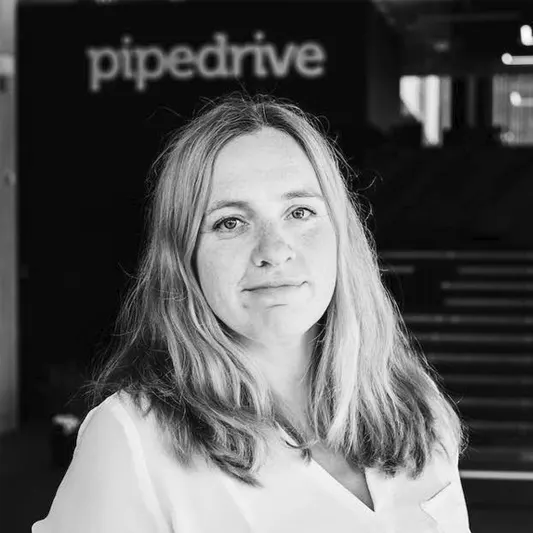
In dynamic organizations, transparent information flow empowers each team member to contribute to the most important areas in the company. In this workshop, Kadri Pirn will explain how to implement dynamic structure for flexible prioritization and planning while keeping the classical organizational arrangement, based on Pipedrive’s experience and will introduce activities for encouraging participants to think how to start benefiting from such a structure in their own organization.
- Module 08
From conscious to concrete
Together, we will place the methods, tools and patterns from the masterclasses on the map of New Work.
What are ways to initiate evolution and take the first concrete steps while avoiding common pitfalls in organizational transformation? Keeping in mind that we are living in a complex, fast changing world.
Led by
Susanne AebischerMaster in Organizational Development, Coaching and Supervision - Co-founder at The NextGen Enterprise Summit and CEO at OEIA (Organizational development & Innovations architecture)

Accessibility: our training courses are accessible to people with disabilities. To discuss possible adjustments, contact our disability officer, Sophie Lagandré (sophie@nextgen.how), and see our Accessibility and disability page.